Things we Google
at 3 AM.
For the question still on your mind after the lights go out.

29 questions
No questions match this search. Try “marks”, “makeup” or “helmet”.
 Why did this leave a mark even though I never picked it?
Yes, a spot can leave a flat brown patch even when you leave it alone. Inflammation in the skin can trigger extra pigment as the bump heals. If you also feel a lasting dent or raised area, explore the texture guide too.
Explore the Marks DecoderLink to this question How long do brown marks take to fade?
Think in months. A surface mark may fade gradually once the breakouts settle. Pigment deeper in the skin can take longer. If new spots keep leaving fresh marks, ask about treating the active acne as well.
Read the brown marks guide Is this a scar or just a mark?
Gently run a fingertip across it. A flat change in colour can linger after a pimple. A lasting dip or raised area suggests a change in the skin’s structure. You can have both, and a dermatologist can examine anything hard to tell apart.
Compare colour and texture Why does my mark look darker in photos?
Phone cameras and room lighting can shift how colour and shadows look. If you choose to compare photos, use the same light, angle and camera settings. One bathroom selfie is a poor measure of whether a mark has changed.
Understand brown marksLink to this question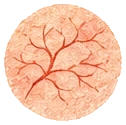 Is a red mark the same as hyperpigmentation?
A flat pink, red or purple area after a spot can reflect changes in tiny blood vessels. Clinicians may call this post-inflammatory erythema (PIE). Hyperpigmentation (PIH) describes extra pigment. Skin tone and lighting can make the two hard to distinguish.
Read the red marks guideLink to this questionWhy are the spots still there after the acne is gone?
A bump and its colour can follow different timelines. Extra pigment or lingering redness may still be visible when the spot feels flat. If you can feel a dip or a raised patch, take a look at the texture guide as well.
See what a spot can leave behindCan I have PIH and PIE together?
Yes. Skin healing after acne can show several changes, including extra pigment, lingering redness and sometimes a scar. You can explore more than one guide. An examination can help if the colour or texture is difficult to describe.
Compare the illustrated examples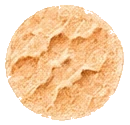 What do ice-pick scars look like?
An ice-pick scar is a narrow, deep indentation. Rolling scars tend to have broad, sloping edges. Boxcar scars have more sharply defined edges. One person can have several shapes, and close-up illustrations simplify their appearance.
Compare scar shapes Will a serum fill an acne scar?
A serum is unlikely to fill a deep indentation. Mild scarring may improve with certain topical medicines. For deeper scars, a dermatologist can discuss procedures suited to the scar shape and your skin.
Explore scar treatment options Will sunscreen actually help my marks?
Sun protection helps keep flat dark marks from getting darker. Choose a broad-spectrum sunscreen with SPF 30 or higher, alongside shade and a hat when practical. Fading still takes time.
Read the sunscreen guide Do I need tinted sunscreen for dark spots?
A tint made with iron oxides can add protection against visible light from the sun, which can deepen dark spots. Look for broad-spectrum SPF 30 or higher and a shade and texture you can comfortably wear.
Understand tint and sunscreen Does indoor light make acne marks worse?
For phone and laptop screens, a systematic review found little evidence that typical exposure worsens pigmentation. The evidence is limited, especially for acne marks themselves. Sunlight is a better-established concern. You can put your phone down tonight without worrying about one more screen habit.
Explore light and pigmentationLink to this questionIs my serum doing anything?
Start with what the serum is meant to change. Are you looking for fewer new pimples, or fading older marks? Those are different goals. Keep changes to your routine simple. If an acne treatment is irritating your skin or you are unsure when to assess it, ask the person who recommended it.
Look up an ingredientLink to this question Am I using too many skincare products?
If several products sting or dry your skin, write down what you use in the morning and evening. Frequent changes and harsh products can irritate acne-prone skin. The Routine Checker can help you spot the same ingredient class appearing twice.
Check my routineLink to this question Can I use azelaic acid and retinol together?
The two names alone cannot tell you how your skin will tolerate the products. Bring the labels, strengths and your current routine to a pharmacist or dermatologist, especially if a retinoid was prescribed. Ask which product to introduce and what to do if it stings.
Compare retinoids and retinolLink to this question Why does my skin sting after skincare?
Stinging can mean a product is irritating your skin. Scrubs, harsh cleansers and some acne medicines can contribute. Leave out a new cosmetic that burns. If it is a prescribed medicine, or the irritation persists, contact the prescriber or pharmacist for advice.
Read about a stinging skin barrierLink to this questionShould I exfoliate acne marks every day?
Daily scrubbing can irritate acne-prone skin, and irritation can leave more dark marks. Gentle cleansing is a better starting point. If you already use a treatment, ask how an exfoliating product would fit before adding it.
Explore gentle barrier careLink to this question Why does concealer make my marks look grey?
Try checking the shade in daylight. A concealer that is too pale for the area can look ashy. As a makeup technique, try a closer shade and gently tap on a thin layer, then check it next to the surrounding skin. A colour mismatch tells you very little about the mark underneath.
Explore concealers and correctorsLink to this questionCan makeup make acne worse?
Some cosmetics can contribute to breakouts. If you enjoy makeup, try products labelled non-comedogenic, use your own clean brushes and take makeup off gently before bed. Respond to how your skin feels with that particular product.
Find acne-friendly makeup tipsLink to this questionCan I wear makeup over healing pimples?
On intact skin, many people with acne can wear makeup. Leave open, weeping or infected areas uncovered by cosmetics. Use clean hands and tools, and gently remove makeup at the end of the day.
Read the makeup guideLink to this question Are my hormones causing this?
Hormones can play a part. Some people notice breakouts around a period, during puberty or later in life. A single breakout cannot tell you the cause. If the pattern worries you, take a short note of when it happens to your next appointment.
Explore hormones and triggersLink to this questionWhy does my skin flare during monsoon?
Think about what changed with the weather. Heat, sweat and friction under a helmet strap can aggravate bumps. Keep protective gear fitted correctly and clean its contact surfaces. If the bumps are unusually itchy and all look similar, ask a clinician about other causes.
Explore everyday triggersLink to this question Does stress really affect acne?
Stress can be associated with breakouts, especially if you already have acne. A flare during exams can also coincide with changes in routine. You deserve help with your skin and with how it makes you feel.
Read about stress and acne How do I know if my prescription is working?
Ask what to look for and when to check in. For many first-line regimens, visible improvement can take 6 to 8 weeks. NICE recommends a review at around 12 weeks for those regimens. Your prescriber may set a different follow-up. Get advice sooner if symptoms or side effects are troublesome.
Prepare for my follow-upLink to this question What does “acne vulgaris” mean?
It is the medical term for common acne. It can include blackheads, whiteheads, inflamed pimples and deeper bumps. The words alone do not specify how severe your acne is. Ask your clinician which features your prescription targets.
Decode a prescription termShould I stop my prescribed cream if it peels?
Some acne creams can cause peeling or irritation. The right next step depends on the medicine and how your skin feels. If peeling is painful, marked or worsening, contact the prescriber or pharmacist promptly. Have the product name, strength and directions to hand.
Find questions for my prescriberLink to this questionCan acne treatment be used during pregnancy?
Some treatments can be used in pregnancy and others need to be avoided. If you are pregnant or planning a pregnancy, review every acne medicine with your doctor. If you become pregnant while taking oral isotretinoin, stop taking it and contact your prescriber immediately.
Read about treatment safetyLink to this questionIs “fungal acne” the same as acne?
“Fungal acne” usually refers to Malassezia folliculitis, inflammation around hair follicles involving a yeast. It often causes itchy, similar-looking bumps. Blackheads and whiteheads are usually absent. Other conditions can look similar, so a clinician may examine or test the skin.
Explore acne look-alikesLink to this question When should I see a dermatologist?
Seek help for deep painful bumps, scarring, continuing breakouts despite treatment, or distress about your skin. You can ask for support even when only a few spots are visible. If you are young, a trusted adult can help you arrange a visit.
Prepare for a dermatology visitLink to this questionFor skin education. A clinician can assess your own skin and prescriptions. Independent clinical review is pending. How we check our work.